Sudoku Game - C++
This project was to test my skill in C++. It was a new language to me and after some job hunting
I had realised that it would be in my best interest to get some experience with it. So after some time researching
the language and learning the difference in syntax and different techniques that could be used, I decided to work on
a project with the language.
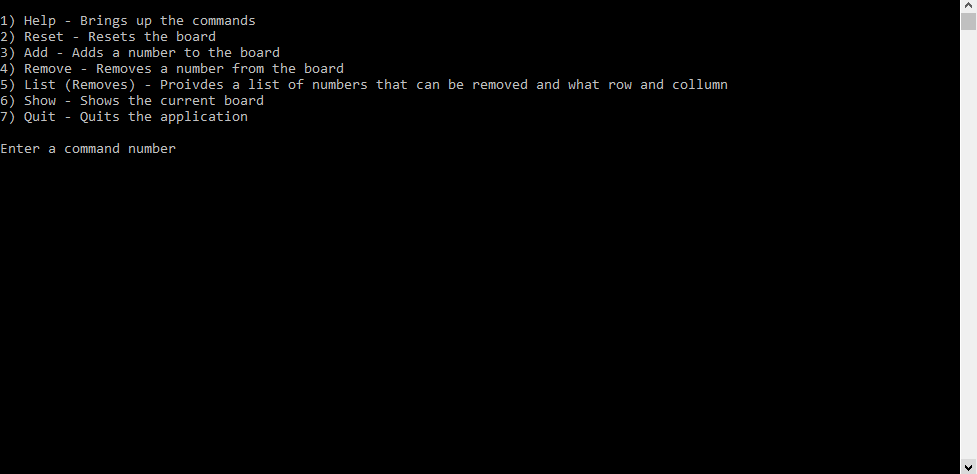
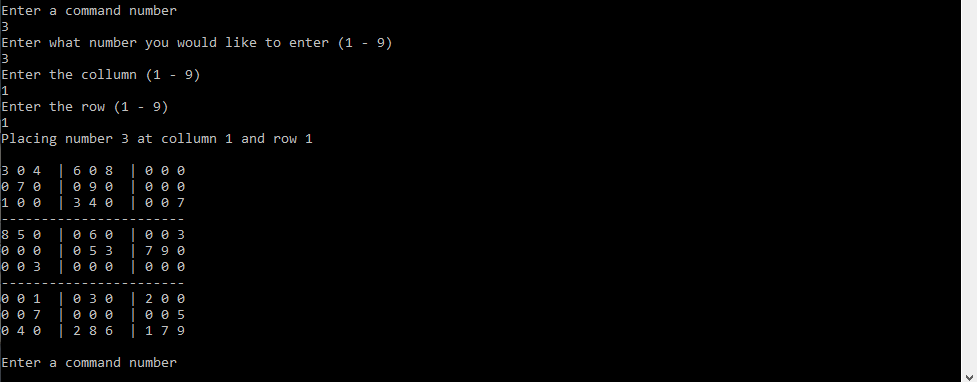
This project was to create the game sudoku in C++. At first I wanted to implement a
random board generator, but after a few attempts, I realised this would take a lot longer than I would like to create.
Thus I instead put 3 static boards in the program and allowed the user to choose between the three and the program instead
places random blank areas within the board. All of this code has been uploaded to my GitHub, the link to this project is here.
Link to the GitHub code: Sudoku Game Code
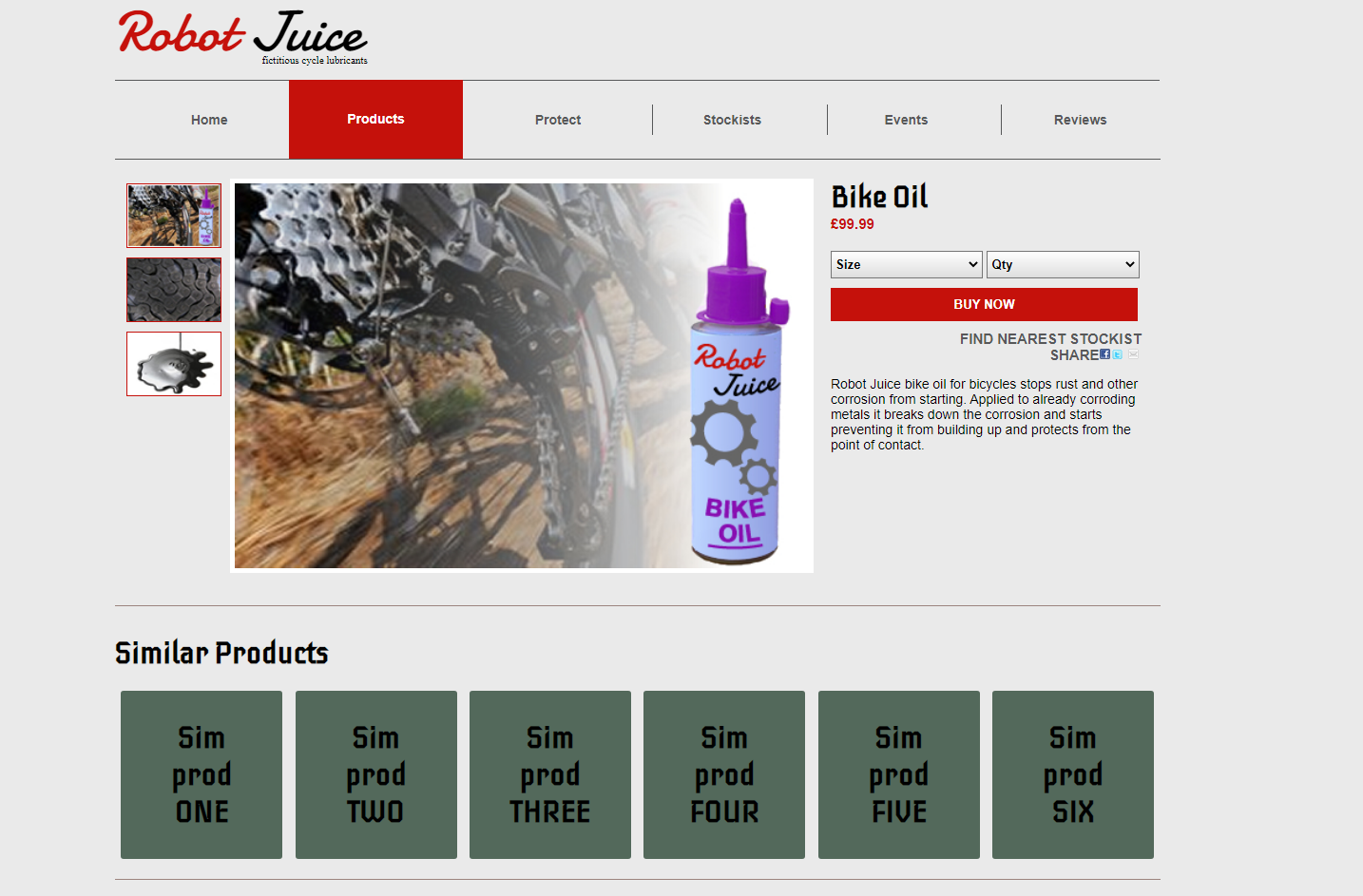
Side Game (Pogventures) - Unity C#
This is a side project I started after university ended. My main focus was to keep my
hand in programming while also learning how to better my code, examples of this being making my code
more reusable and optimised.
The game can be downloaded on Itch.IO and I plan on improving
it as time goes on. The sprites were done by my friend who offered to help.
Link to the game: Pogventures Itch.IO Page
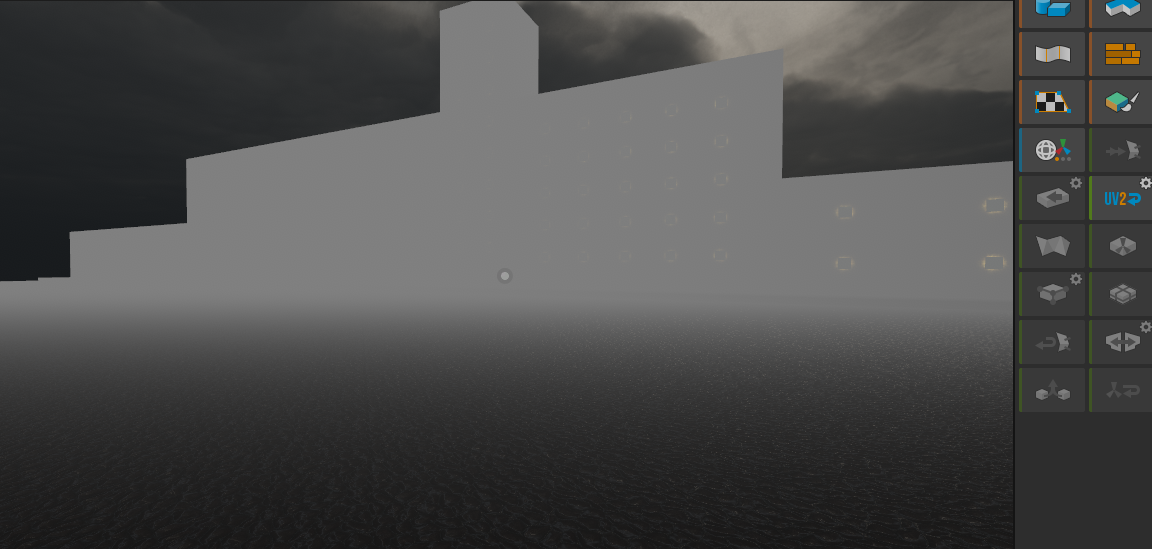
Unreal Game - Unreal 5 Blueprints
To help broaden my horizons outside of the Unity engine which I have used throughout
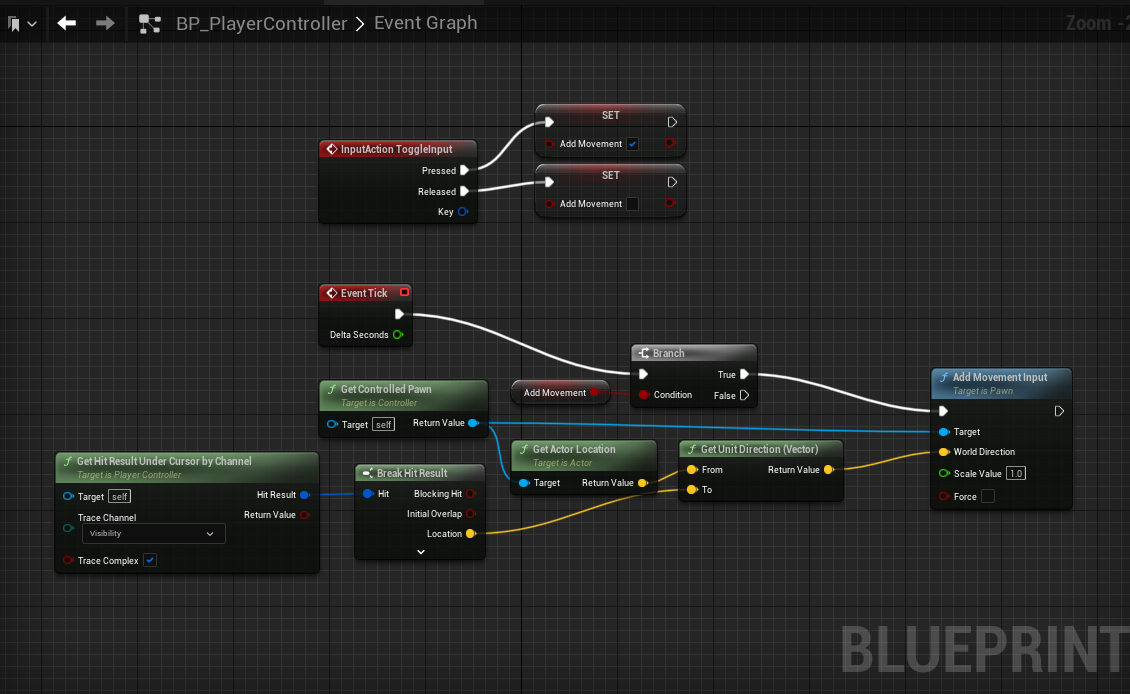
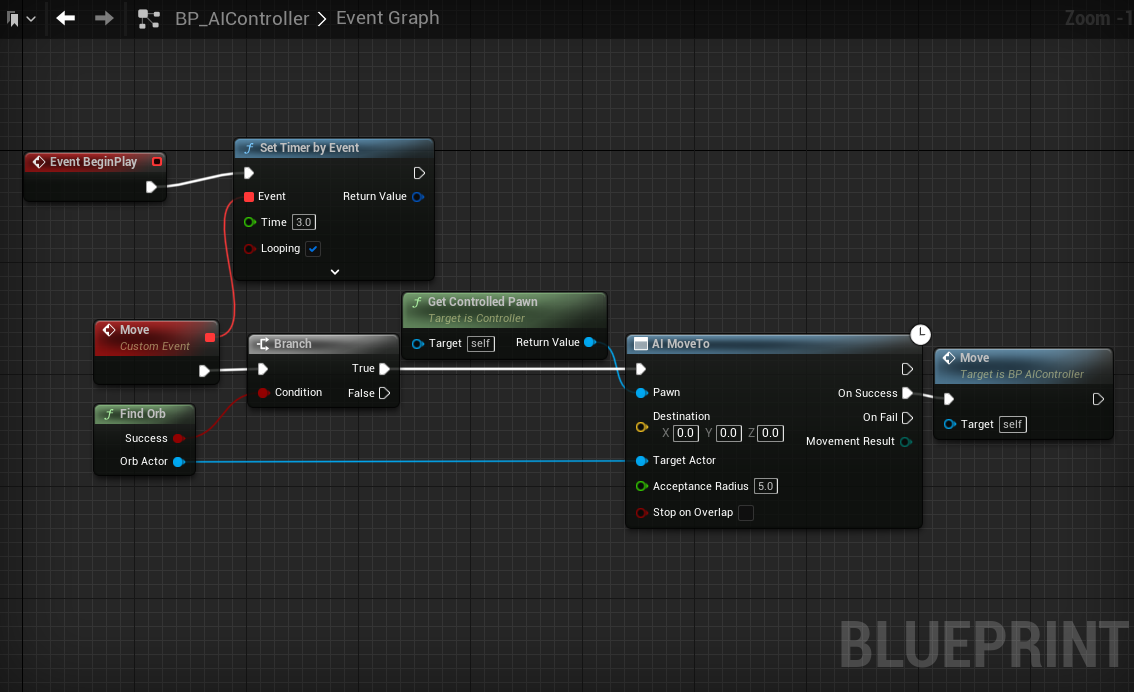
university, I made a small game using Unreal Engine 5. This was a demo to help familiarise myself more
with Unreal Engine and it's use of node programming.
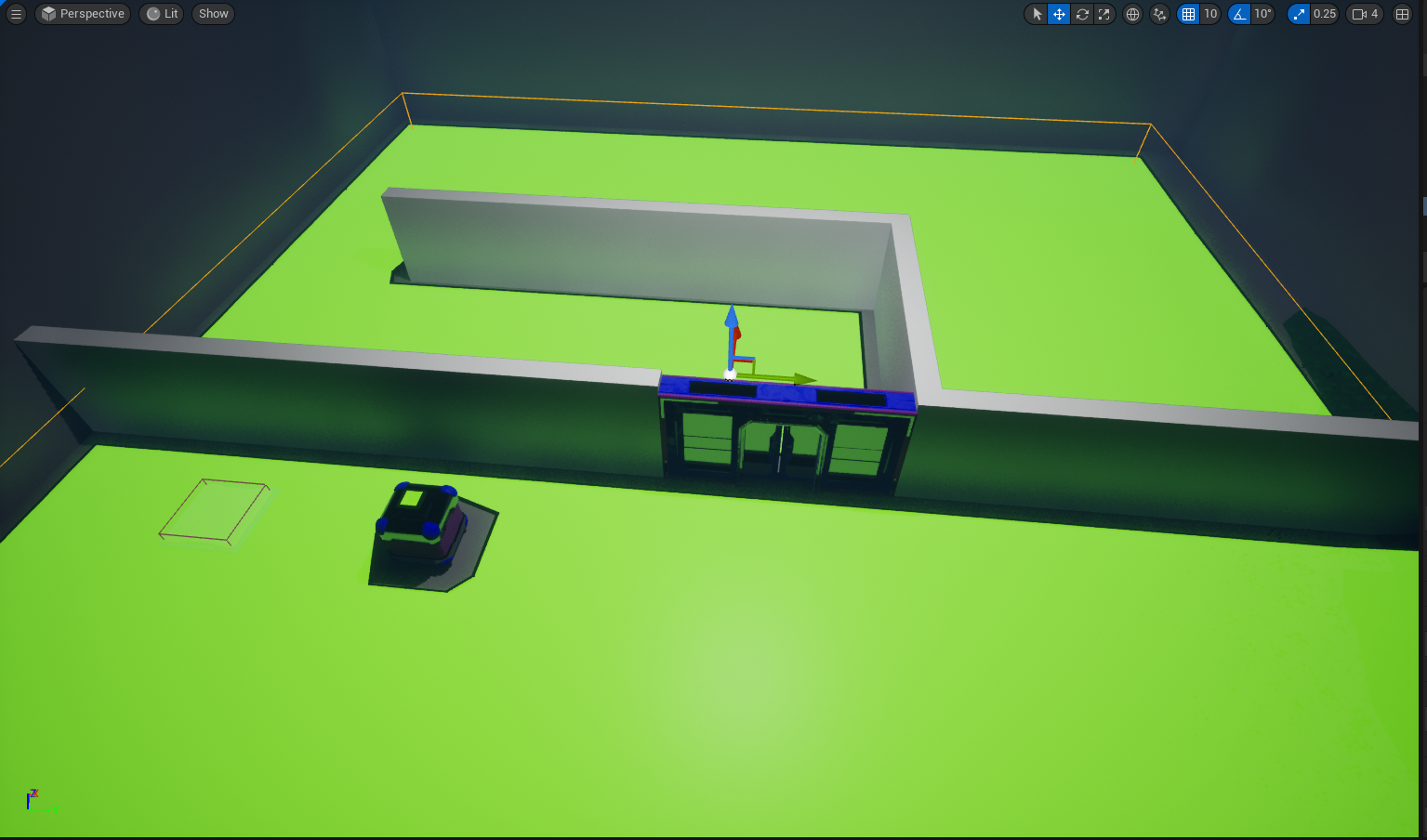
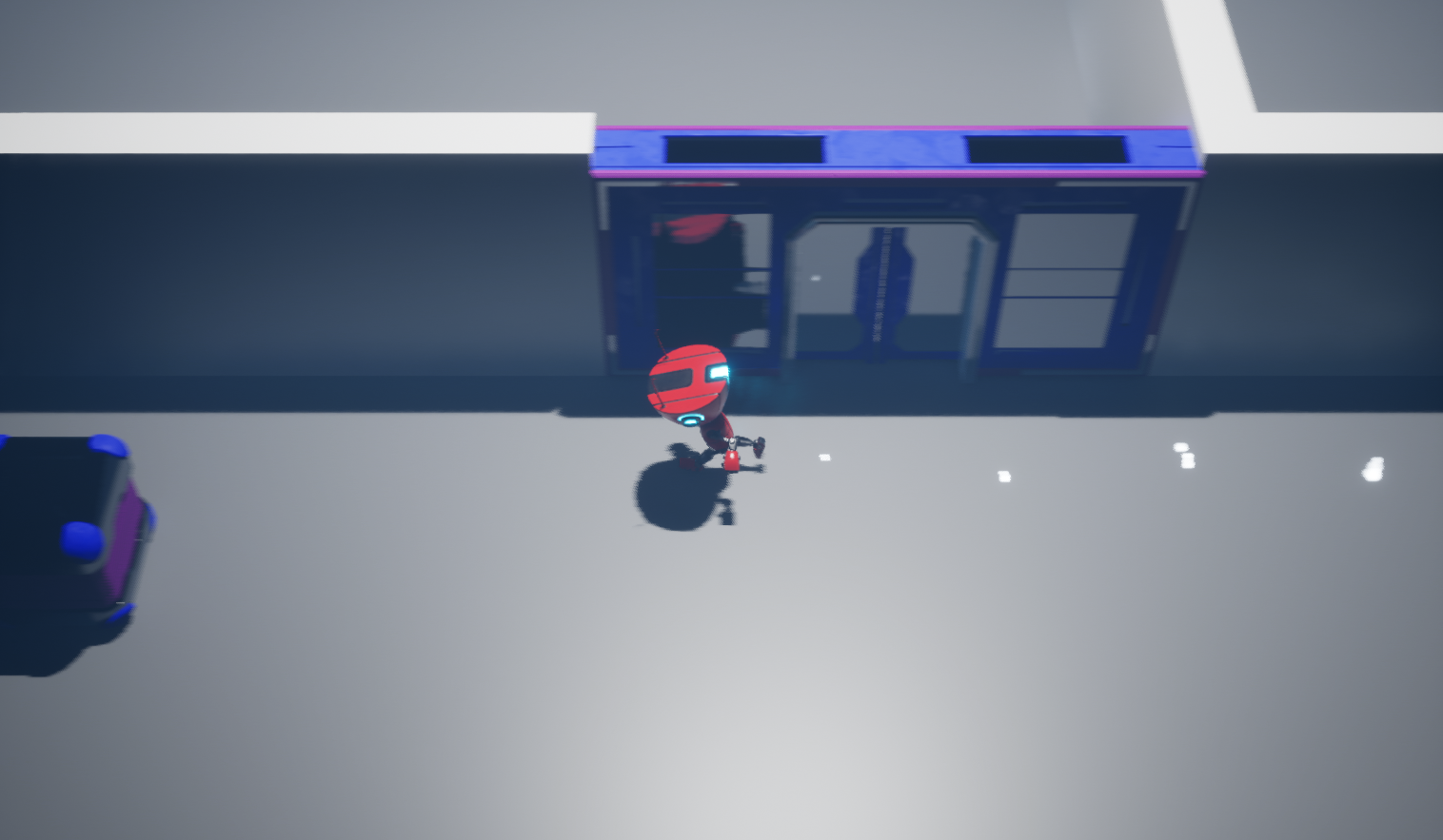
The game is a simple puzzle game where
the player moves the cube onto the button and that results in a door opening, allowing the player to reach
the end. An introduction tutorial was used to assist in creating the game, which provided the assets and additionally
showed how to use animation and effects.
Tamagotchi - Java
This was a project developed during my first year of university. It was created using Java in
a group of five.
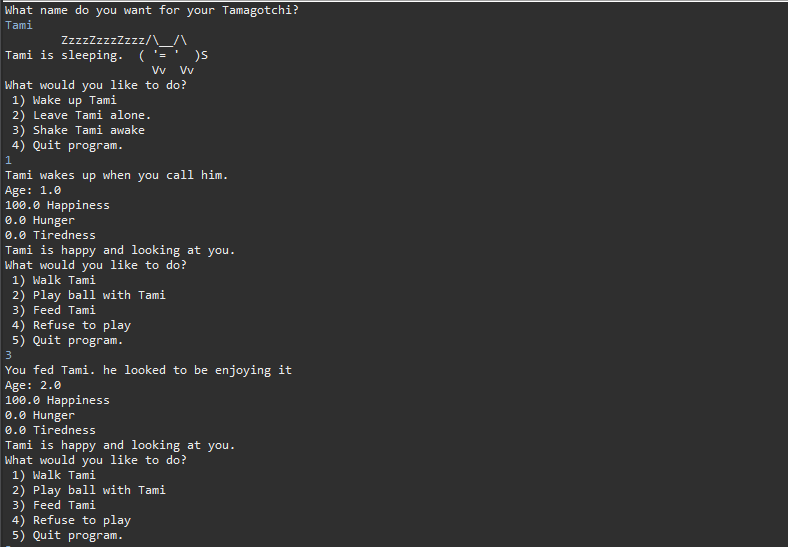
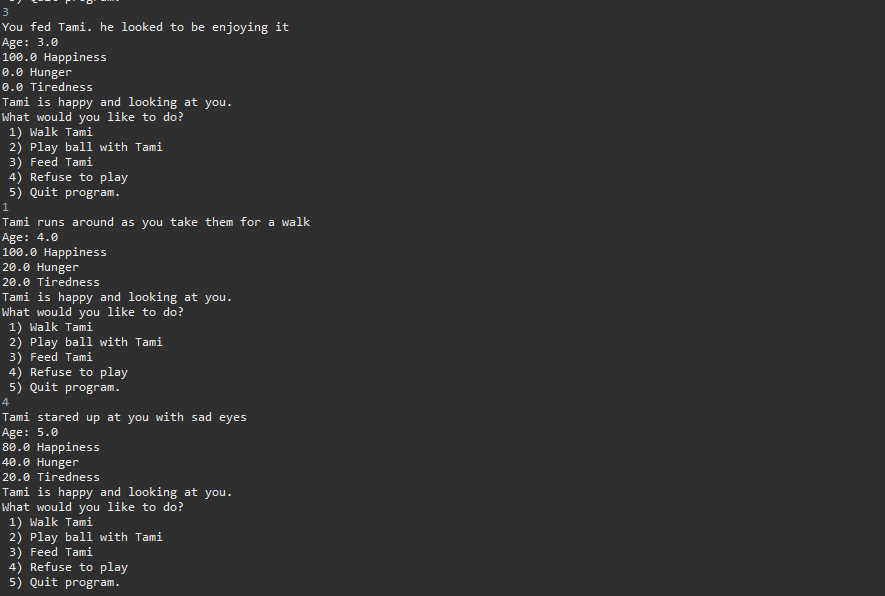
The Tamagotchi changes it's mood and scenarios based on its current health stats, these consisted
of happiness, hunger and tiredness.
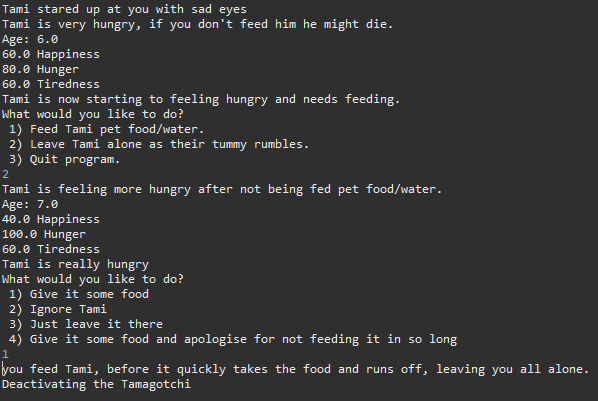
There are certain points in the program where if the Tamagotchi has lost so much of
a certain stat, it will enter the final choices which will determine if the user has to restart or is given another chance.
Link to the github: Tamagotchi Program
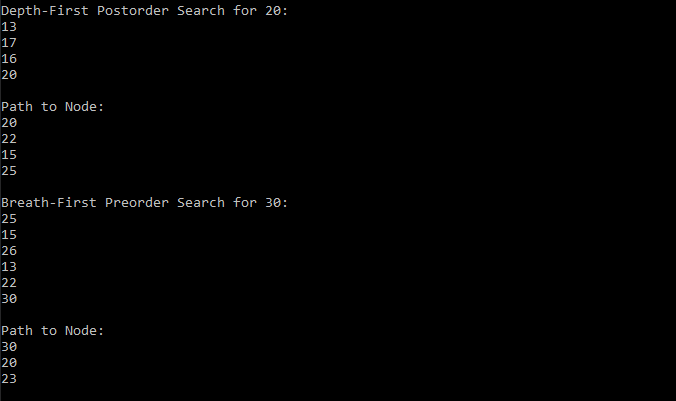
Binary Tree - C#
This project was done during my second year of university. The project was made using C# in Visual
Basic as a solo project.
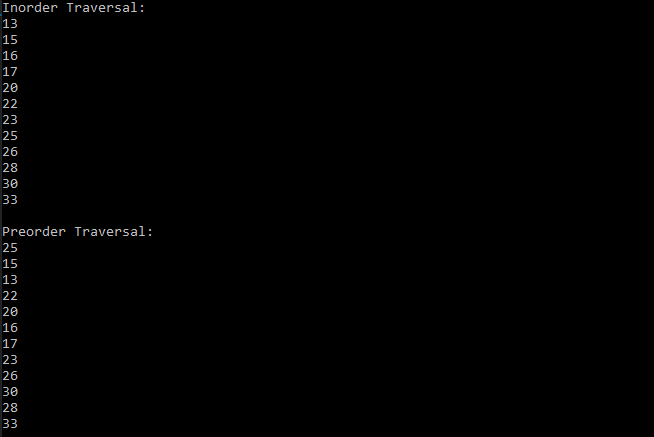
The project involved creating a binary tree using different techniques to reduce the amount
of code needed and also make ever growing programs. An example of this is recursion which involved a function calling itself
until a certain condition was met, allowing the project to traverse down the binary tree easily.
Link to the binary tree github: Binary Tree Program
Slime Game - Unity C#
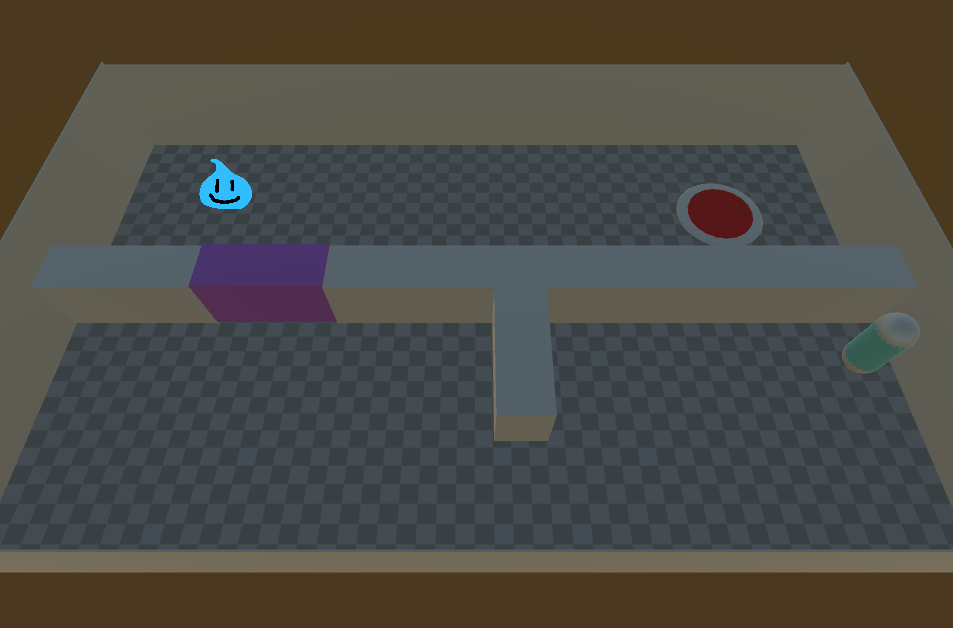
This was a project developed during my second year of university. It was created
in a group of four people and between us we all implemented different aspects all while learning about Unity
and its usages.
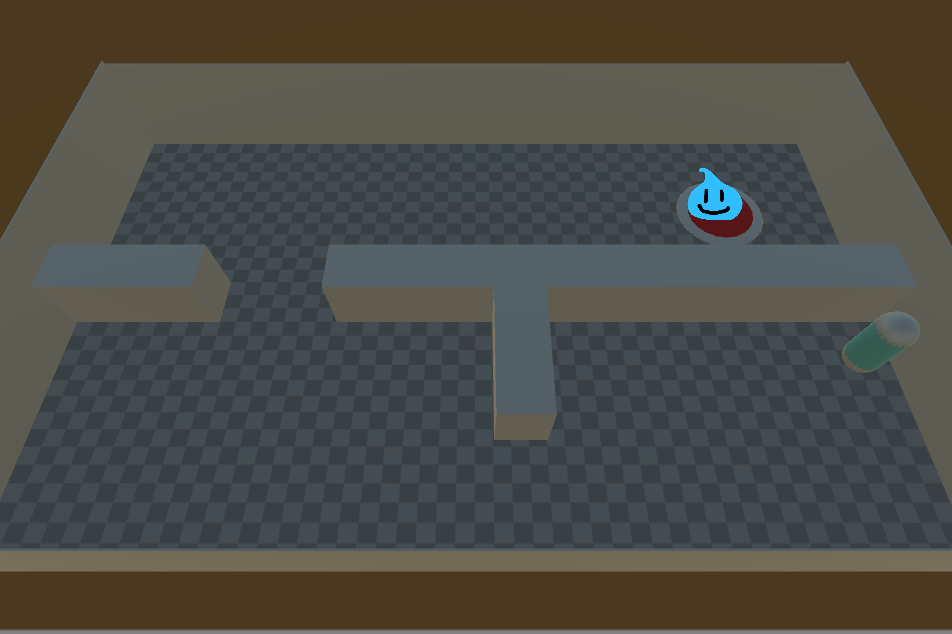
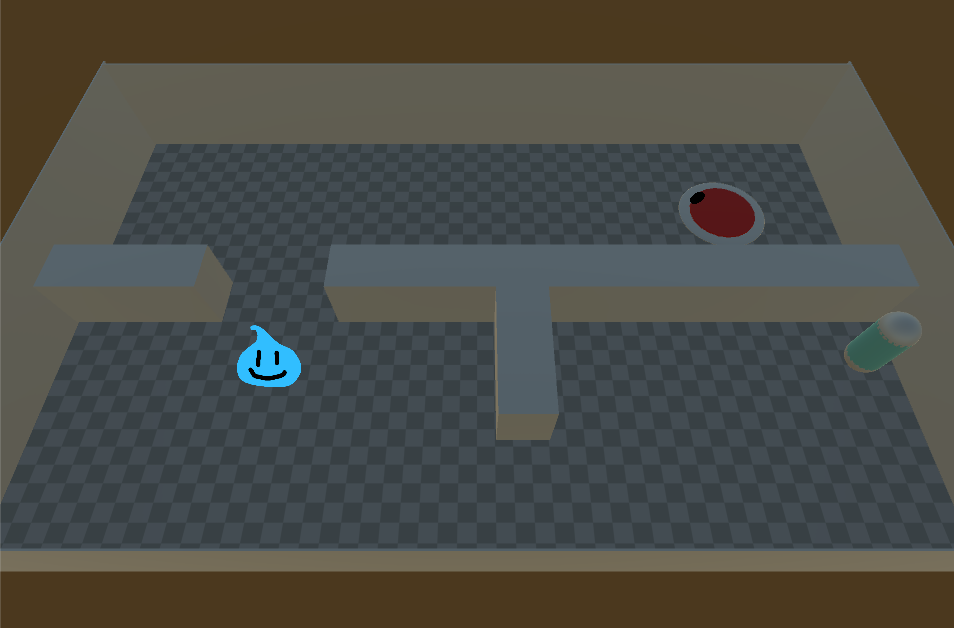
My core development was in creating the sprite, the level, the door and button,
the movement and the ability to drop 'breadcrumbs'.
The breadcrumbs would be used to hold down buttons for
the player so that they can progress through the level. If more time was given, the group would have opted to
increase the amount of levels.
Link to the slime game github: Slime Game Scripts
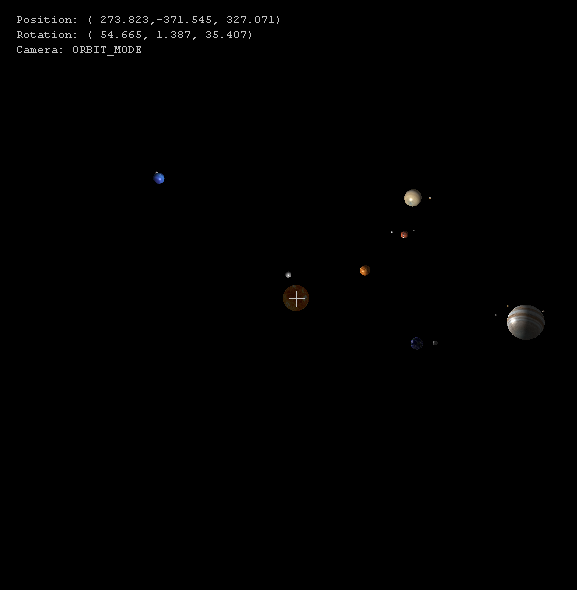
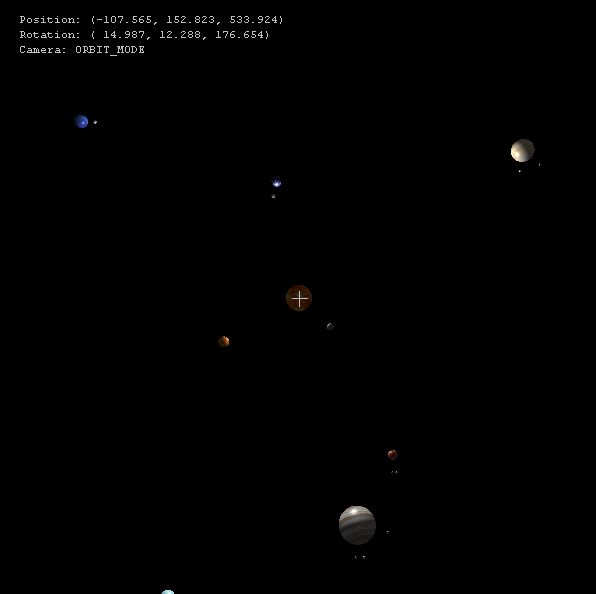
Solar System Project - Java
This project was created during my second year at university using Java. The
program used a Java library called StdDraw, which allowed the program to create either 2D drawings or
3D objects.
The 3D element of this was used to create planets that would orbit around the sun.
Each of the planets had their own size, texture, speed, orbit radius and moons.
Link to the solar system github: Solar System Files
Motion Tracking Interface - Python Anaconda
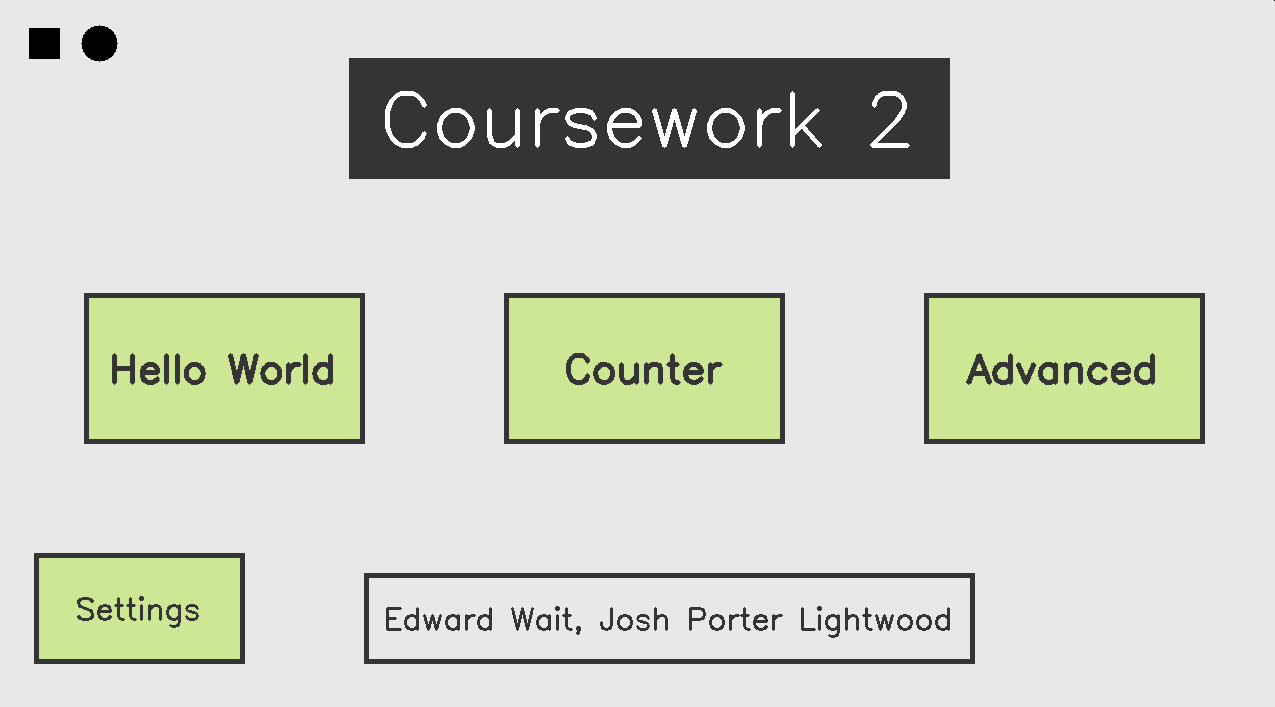
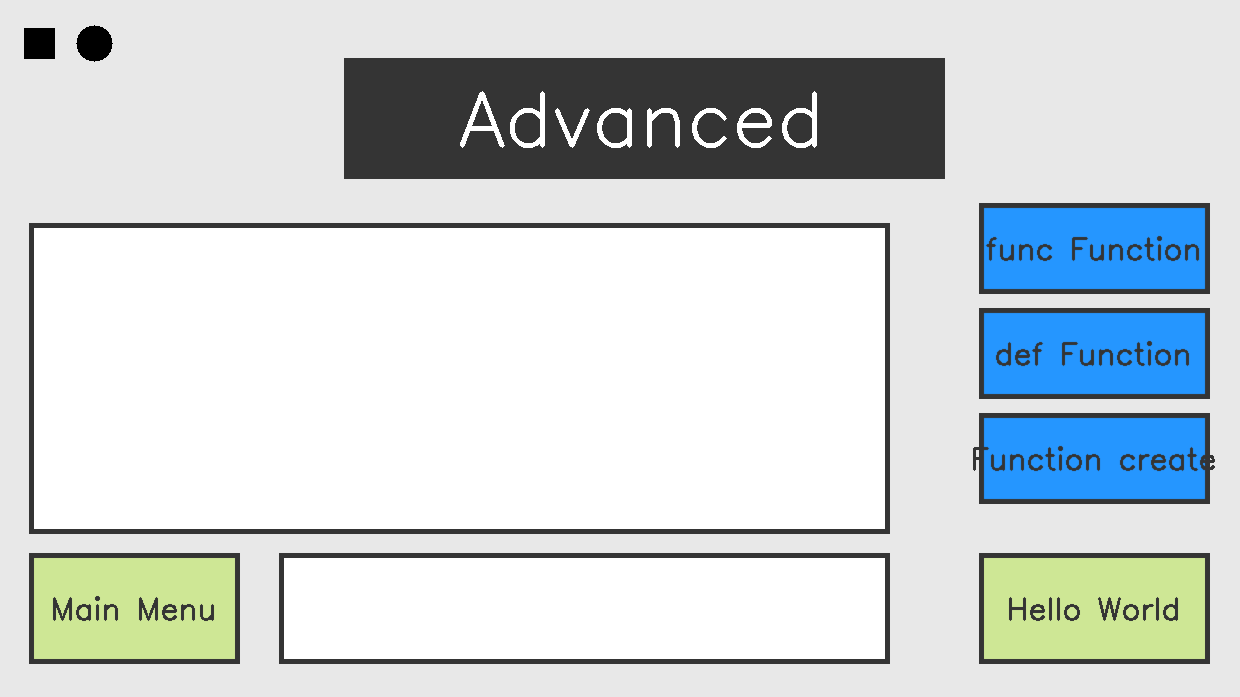
This program was created during my third year in university, with one other person working on it
with me. The program was written in Python's Anaconda(Spyder) using cascades given by the university to assist with
facial and hand tracking.
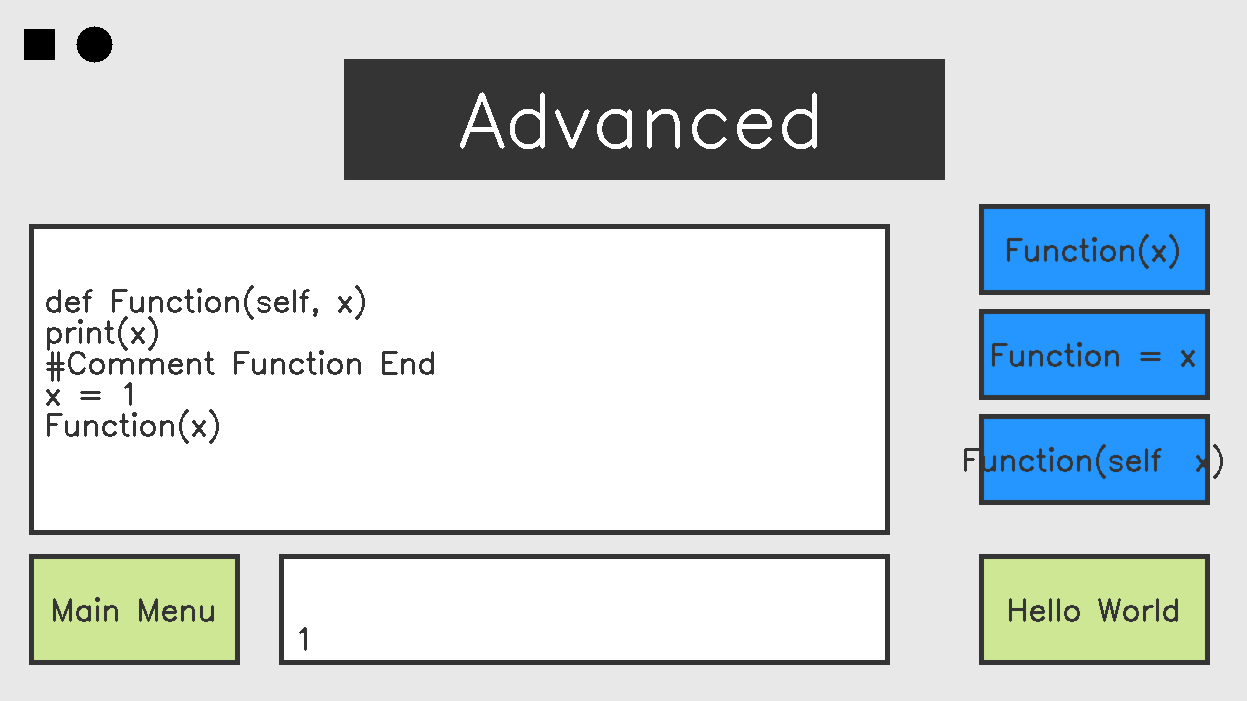
The program allows the user to use their face as the cursor, with leaning in being
how the user selects buttons. The program is made to help people learn how to code in python, through the use of
buttons the user can press and the program will tell them if the option was correct or not.
Link to motion tracking github: Motion Tracking Files
Learning Algorithms Used
- Decision Trees
- K-NN
- Naive Bayes
- Random Forest